How Often Should the Risk Assessment on a Protocol Be Reviewed?
Safety Statement and Risk Assessment
Frequently Asked Questions
- What is a Hazard Assessment?
- What is a Prophylactic Statement?
- What is the difference between a hazard and a chance?
- Why is it important to bear out a Take a chance Assessment and set a Safety Statement?
- What does the law crave regarding Risk Assessments and Safety Statements?
- What should be covered in a Condom Statement?
- Who needs to read the Risk Assessments and Safety Argument?
- How often practise staff need to read the Risk Assessment and Safety Statement?
- I only have one employee; do I need a Safety Statement?
- Practice I need to requite a copy of the Safe Statement to every employee?
- What is a competent person?
- Am I qualified enough to prepare a Rubber Statement correctly?
- In relation to Safety Statement training will I exist compliant with my duties under Section 20 of the Safe Health and Welfare at Work Act 2005 Act if I use a generic Safety Statement?
- Who approves a Safety Statement?
- How do I set up a Safe Statement?
- What considerations should exist taken into account when planning and setting objectives for condom and health in the Safety Argument?
- Who is responsible for preparing the Run a risk Assessment and Rubber Statement?
- Who should carry out the Risk Assessment?
- How can an employer control take chances?
- What should exist contained in the Safe Statement regarding representation, consultation and participation of employees?
- What are the two key components of measuring safe and health operation?
- How should the Safety Statement be reviewed?
- How often should the Safety Statement be reviewed?
- What should the employer do later the Condom Argument has been reviewed?
- Is anyone exempt from conveying out a Risk Assessment and/or preparing a Condom Statement?
- My insurance company is requesting a Safety Statement; can the Authorisation send me one?
- Are there whatsoever factors to be considered in specific Risk Assessments?
- Gamble of being struck past a fork-lift truck, e.one thousand. warehouses, factories:
- Risk of exposure to isocyanate paint, due east.g. garages:
- Permit-to-work systems:
- What should the organisation chart of a concern show with regard to managing safety and health?
- I am because seeking the advice and services of a rubber consultant. Can you offer me whatever advice?
- Publications
What is a Risk Assessment?
Section 19 of the Safety, Health and Welfare at Work Act 2005 requires that employers and those who control workplaces to any extent must identify the hazards in the workplaces under their control and appraise the risks to condom and health at work presented by these hazards.
Employers must examine and write downward these workplace risks and what to do virtually them. Ultimately, assessing risk means that annihilation in the workplace that could cause harm to your employees, other employees and other people (including customers, visitors and members of the public) must be carefully examined. This allows you lot to estimate the magnitude of risk and decide whether the risk is adequate or whether more precautions need to exist taken to prevent impairment.
Employers are required to implement any improvements considered necessary by the risk assessment. The aim is to ensure that no one gets injure or becomes ill.
Withal, information technology is important to think that, in identifying hazards and assessing risks, employers should only consider those which are generated by piece of work activities. There is no need to consider every minor hazard or risk that nosotros accept every bit part of our lives.
The results of any Risk Assessments should be written into the Safety Argument.
back to top
What is a Prophylactic Statement?
Section xx of the Safety, Health and Welfare at Piece of work Act 2005 requires that an organization produce a written plan to safeguard:
- the safety and health of employees while they work
- the safety and health of other people who might be at the workplace, including customers, visitors and members of the public
The Safety Statement represents a commitment to their safety and health. It should state how the employer will ensure their safety and wellness and state the resources necessary to maintain and review safety and health laws and standards. The Rubber Statement should influence all piece of work activities, including
- the selection of competent people, equipment and materials
- the way work is done
- how goods and services are designed and provided
It is essential to write downward the Safety Statement and put in place the arrangements needed to implement and monitor information technology. The Safety Statement must exist fabricated available to staff, and anyone else, showing that hazards have been identified and the risks assessed and eliminated or controlled.
back to peak
What is the departure between a hazard and a risk?
A gamble, in full general, refers to annihilation with the potential to cause harm in terms of homo injury or ill-health, damage to property, damage to the environment or a combination of these, e.g. chemical substances, machinery or methods of piece of work, whereas risk means the likelihood, not bad or pocket-size, that an undesired outcome will occur due to the realisation of a hazard. Run a risk is dependent on the likelihood that a hazard may occur, together with the severity of the harm suffered/consequences. Hazard is also dependent on the number of people who might be exposed to the hazard.
back to peak
Why is it important to carry out a Hazard Cess and gear up a Prophylactic Statement?
The main aim is to make sure that no one gets hurt or becomes ill. Accidents and ill health can ruin lives, and can also affect business organisation if output is lost, mechanism is damaged, insurance costs increase, or if you have to get to court. Therefore, carrying out Take a chance Assessments, preparing and implementing a Safety Argument and keeping both up to appointment volition not in themselves prevent accidents and ill health but they will play a crucial function in reducing their likelihood.
Employers, managers and supervisors should all ensure that workplace practices reflect the Risk Assessments and Safety Statement. Behaviour, the way in which everyone works, must reflect the safe working practices laid downwardly in these documents. Supervisory checks and audits should be carried out to determine how well the aims ready down are being accomplished. Cosmetic action should be taken when required. Additionally, if a workplace is provided for use by others, the Safety Statement must as well set out the safe work practices that are relevant to them.
Hence, it is important to deport out a Take a chance Assessment and prepare a Condom Statement for:
1. Financial reasons:
There is considerable show, borne out by companies' practical experiences, that effective rubber and wellness management in the workplace contributes to business success. Accidents and ill-health inflict significant costs, frequently hidden and underestimated.
2. Legal reasons:
Carrying out a Risk Cess, preparing a Rubber Argument and implementing what yous have written down are non simply primal to whatever safety and health management system, they are required by law. Wellness and Safety Authority inspectors visiting workplaces will want to know how employers are managing safe and health. If they investigate an accident, they will scrutinise the Risk Assessment and Safety Argument, and the procedures and work practices in use. It should be ensured that these stand upward to exam. If the inspector finds that one of these is inadequate, he or she can enquire the employer to revise it. Employers can be prosecuted if they do not have a Rubber Statement.
three. Moral and upstanding reasons:
The process of carrying out a Hazard Assessment, preparing a Condom Statement and implementing what you have written downward will help employers prevent injuries and sick-wellness at piece of work. Employers are ethically bound to exercise all they can to ensure that their employees practice non suffer illness, a serious accident or death.
back to top
What does the law require regarding Gamble Assessments and Safe Statements?
Every employer is required to manage safety and health at work so as to prevent accidents and ill-health. The Safety, Health and Welfare at Work Human action 2005 requires employers to:
- identify the hazards
- carry out a Chance Assessment
- prepare a written Safety Argument
This procedure has a practical purpose. Information technology volition help employers and other duty holders to manage employees' safety and wellness, and get the residual right between the size of any safety and health problems and what has to be done most them. This is considering the system must be risk-based. The required safety measures must be proportionate to the existent risks involved and must be adequate to eliminate, control or minimise the risk of injury. The arrangement must involve consultation between the employer and his/her employees, who are required by law to cooperate with the employer in the safety-management process.
dorsum to pinnacle
What should exist covered in a Prophylactic Statement?
The areas that should be covered past the Prophylactic Statement are specific and are set out in Department 20 of the Safety, Health and Welfare at Work Act 2005. The Argument should be based on the identification of the hazards and the Risk Assessments carried out under Section 19. It must:
- specify how the condom and wellness of all employees will be secured and managed
- specify the hazards identified and risks assessed
- give details of how the employer is going to manage his or her safety and health responsibilities, including a commitment to comply with legal obligations, the protective and preventive measures taken, the resources provided for rubber and health at the workplace and the arrangements used to fulfil these responsibilities
- include the plans and procedures to exist used in the effect of an emergency or serious danger
- specify the duties of employees, including the co-operation required from them on safety and health matters
- include the names and job titles of people appointed to be responsible for safety and health or for performing the tasks set up out in the argument
- contain the arrangements made for appointing safety representatives, and for consulting with and the participation by employees on safety and health matters, including the names of the safety representatives and the members of the safety committee, if appointed
- be written in a form, way and linguistic communication that will be understood by all
- include a review mechanism
- take regard to the relevant safety and health legislation
The Safety Statement can refer to specific procedures contained in other documents. These documents might include:
- Health and Safety Potency Publications on Safety Statements and Hazard Assessments for specific work sectors. See the Publications section of this website.
- the BeSMART on line Risk Assessment and Prophylactic Statement Tool for the specific categories for which this tool covers
- Dominance produced Codes of Practice, Guidance and Information Sheets where available. See the Publications section of this website.
- manufacturer'southward instructions for work equipment and machines
- Company operating instructions and procedures
These may contain lists of the hazards and precautions relevant to your organisation. The BeSMART tool may be used for preparing your Prophylactic Statement, if your business is covered by its templates. It is up to the employer whether to combine all the documents or go on them separately. However, the employer must still ensure that employees are made aware of the risks in their work and the precautions which are necessary.
dorsum to peak
Who needs to read the Chance Assessments and Safety Statement?
The employer must ensure that the contents of the Safety Statement, which includes the Risk Assessments, is brought to the attention of all employees and others at the workplace who may be exposed to any risks covered by the Safety Statement. In particular, all new employees must exist made aware of the Safety Argument when they beginning work. The Statement must be in a class and language that they all understand.
Other people may be exposed to a specific risk dealt with in the Condom Argument and the Statement should exist brought to their attending. These people could include:
- outside contractors who do cleaning, maintenance or building work
- temporary workers
- delivery people who stack their goods in the premises and come in contact with activities at that place
- cocky-employed people who provide a service for the employer
Where specific tasks are carried out, which pose a serious risk to prophylactic and health, the relevant contents of the Safe Statement must be brought to the attention of those afflicted, setting out the hazards identified, the Risk Assessments and the condom and health measures that must be taken.
back to top
How often do staff need to read the Take chances Cess and Safe Statement?
The relevant contents of the Safety Argument should exist brought to the attending of the employees and others affected at least annually, and whenever it is revised. The employer has an ongoing responsibility to ensure that all relevant persons are aware of the Safety Argument and empathise its terms. A campaign to discharge this responsibility could include a combination of written and verbal communication, including:
- distributing the Condom Statement, specific Hazard Assessments or relevant sections of information technology to all employees when outset prepared and whenever significant changes are made
- making the Safe Statement and specific Adventure Assessments available electronically on visitor intranet sites which tin can be easily interrogated
- verbal communication of the terms of the Safety Statement or item Risk Assessments
- inclusion of the relevant parts of the Safe Statement and specific Risk Assessments in employees' handbooks or manuals
- through ongoing training
back to top
I only accept one employee; do I need a Safety Statement?
If an employer who employs 3 or fewer employees is engaged in an activity for which at that place is a Code of Practice for that type of action, they can fulfil their duty in relation to condom statements past complying with such code of practice. This only applies where specific code(due south) of practise are issued by the Health and Safety Authority.
Codes of Practice have been prepared for several sectors including Construction, Agriculture and Quarries.
Back to top
Do I need to give a copy of the Rubber Statement to every employee?
The 2005 Act specifies the information that must be given to employees. The Safety Argument must exist accessible to all employees and the sections of the Safety Statement relevant to the employees must be brought to their attention, with particular regard to the specific hazards, risks and prevention measures concerning their item job. The Safety Statement must be brought to the attending of all employees at least annually.
Back to peak
What is a competent person? 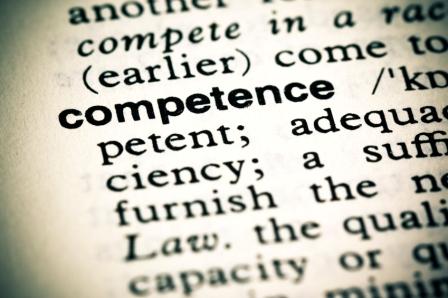
According to the Condom, Health and Welfare at Work Act 2005, a person is accounted to exist a competent person where, having regard to the task he or she is required to perform and taking account of the size or hazards (or both of them) of the undertaking or institution in which he or she undertakes work, the person possesses sufficient training, feel and knowledge appropriate to the nature of the work to be undertaken.
dorsum to summit
Am I qualified enough to prepare a Safety Argument correctly?
The employer has ultimate responsibility for safety and wellness. In about firms in the office, retail, commercial, service and light industrial sector, the hazards and hazardous work activities are few and unproblematic. Checking them is common sense, but necessary. In small firms, employers understand their work and tin identify hazards and appraise risks themselves. The BeSMART on line Risk Assessment and Safety Statement Tool tin be easily filled out by an employer if it covers your piece of work sector, but it is important that the templates are filled out correctly.
There are many data sources such every bit Say-so produced Codes of Practices, and guidelines bachelor to back up employers when compiling Condom Statements See the Publications department of this website. Consultation should always have place with the employees, including condom representatives, every bit they are the ones doing the work and dealing with the hazards on a daily ground.
back to pinnacle
In relation to Safety Statement preparation will I be compliant with my duties nether Section twenty of the Safe Health and Welfare at Work Act 2005 Human activity if I use a generic Safety Statement?
No. Under Department twenty of the Deed every employer is required to set up a Safety Argument for his/her own place of work based on the identification of the hazards and the Take chances Assessment carried out under Department xix of the 2005 Act. This Rubber Statement specifies the mode in which the safety, health and welfare at work of his or her employees shall be secured and managed. This Safety Statement is specific and unique to each place of piece of work. An employer using a generic Safety Argument would non be compliant with Sections 19 and 20 of the 2005 Act. The templates used for the BeSMART on line Risk Assessment and Safety Statement Tool prepared by the Authority are also acceptable, if your piece of work sector is covered and the templates are filled out correctly. Employers can besides apply the other templates detailed in the sector specific Publications produced by the Authorization.
back to top
Who approves a Safety Statement?
The Safety Statement is required past police force nether Section 20 of the Safety, Health and Welfare at Work Act 2005. It is the employer's responsibility to ensure it is fit for the organisation under his/her command. An Dominance inspector may review a Safety Argument during an inspection of a workplace. If he/she finds that it is inadequate, he/she tin can direct an employer to revise it within 30 days.
back to top
How do I gear up a Safety Statement?
A comprehensive Rubber Statement, if properly implemented, is a practical tool for reducing accidents and ill health at work. For minor to medium-sized businesses, the preparation of a Safety Argument should be simple and straightforward. The BeSMART Tool may be used for this process if the work activeness is covered by the business types developed for the tool. In developing a rubber and health management programme for an organisation, at that place are 6 important steps to be followed in preparing a Safety Statement.
1. Draw up a wellness and safe policy:
The Rubber Statement should begin with a announcement, signed at senior, responsible management level on the employer's behalf. The declaration should requite a commitment to ensuring that a workplace is every bit safe and healthy as reasonably practicable and that all relevant statutory requirements will be complied with. This annunciation should spell out the policy in relation to overall safety and wellness functioning, provide a framework for managing condom and wellness, and listing relevant objectives.
Considering the Prophylactic Argument must be relevant at all times to the safety and health of employees and others in the workplace, the policy announcement should indicate that the Safety Argument volition exist revised as changes occur and evaluated at set intervals. Information technology should also indicate how the relevant contents of the Statement are to be brought to the attending of employees and whatsoever other people in the workplace who might exist affected past the Statement.
2. Identify the hazards
The first pace in safeguarding safety and health is to place hazards from materials, equipment, chemicals and piece of work activities. The employer is required to systematically examine the workplace and work activities to place workplace-generated hazards.
If an employer controls more than than one work location, different types of work activeness or changing work locations (as in route repairs or building piece of work), it may be necessary to prepare a Safe Statement that has split up sections dealing with the different locations or activities. Employers will be familiar with the hazards associated with the blazon of work they are involved in. But to place the main hazards and put risks in their true perspective, employers can also cheque:
- records of accidents, ill health and insurance claims
- any relevant legislation or standards roofing the hazard (east.k. the Construction Regulations for construction-site hazards, the Chemical Agents Regulations and Code of Practice for Chemical Hazards and their control)
- manufacturers' instructions or datasheets
Some hazards are obvious, such every bit unguarded moving parts of machinery, dangerous fumes, electricity, working at heights, or moving heavy loads. Less obvious, merely at the root of many accidents, are hazards presented by untidy workplaces and poor maintenance. In the case of some hazards, such as excessive dissonance, information technology may take months or even years before damage materialises.
In almost small firms in the office, retail, commercial, service and lite industrial sector, the hazards and hazardous work activities are few and simple. Checking them is mutual sense, but necessary. The BeSMART Tool can be used for many sectors when preparing a Condom Statement for a small firm. For larger firms, a responsible experienced employee or a competent safety and health adviser should be used. This person must be familiar with the hazards which are relevant to the workplace nether review.
A checklist of hazards can be found in the Guidelines on Risk Assessments and Condom Statements. This checklist provides a systematic, though not exhaustive, arroyo to identifying hazards in the workplace. This checklist covers physical hazards, health hazards, chemical hazards, biological agents hazards and human-factor hazards.
3. Behave out a Risk Assessment
Department nineteen of the Safety, Health and Welfare at Work Act 2005 places a duty on all employers to deport out a Take chances Cess. A template which can be used for carrying out a Chance Assessment is available in the Guidelines on Take a chance Assessments and Safety Statements. Employers do non have to utilize this format in order to comply with section 19. They tin too utilise the templates generated in the BeSMART Tool, or those detailed in the sector specific Publications produced by the Say-so.
4. Determine what precautions are needed
Employers may already accept in place some safety measures. The Risk Assessment will tell whether these are acceptable.
Employers must ensure they take done all that the law requires. All safety and health laws provide guidance on how to assess the risks and establish appropriate safeguards. For example, there are legal requirements on preventing access to dangerous parts of machinery. Then, it must besides be ensured that generally accustomed industry standards are in place. Nevertheless, exercise not necessarily end at that, because the law also says that you lot must exercise what is reasonably practicable to proceed the workplace safety. The existent aim is to make all risks minor by calculation to existing precautions if necessary.
Employers need to consider if the hazard can be eliminated birthday or if the job can be inverse in whatever way so as to get in safer and, if not, what safety precautions are necessary to command this risk?
5. Record the findings
The Prophylactic Statement is the place to record the significant findings of the Risk Assessments. This means writing down the more significant hazards and recording the most important conclusions. The BeSMART templates tin can also be used here. Employers should inform employees near their findings. The employer should as well country in the Safety Statement where other relevant documentation is retained.
6. Review the programme and update as necessary
The Safety Statement needs to be relevant at all times. Implementing the Safety Statement should exist an integral part of everyday operations. A copy of the Statement or relevant extracts of it must exist kept bachelor for inspection at or nearly every workplace to which it relates. Hence, it may be necessary to revise it whenever there are changes, or when Risk Assessments are carried out and improvements fabricated that take an affect on safety and wellness. Such changes may include changes in work processes, organisational structure, equipment or substances used, technical knowledge, and legislation or standards. Changes in the workforce may also take an impact, due east.m. altering the number of workers on a particular process, replacing more than experienced workers with trainees or as a result of experience gained through preparation. However, it is not necessary to meliorate the Safety Argument for every picayune modify, or for each new task, but if a new chore introduces pregnant new hazards, you lot need to assess the Risks Assessments and implement the necessary prevention measures.
back to top
What considerations should be taken into account when planning and setting objectives for safety and health in the Safety Argument?
Planning is the key to ensuring that the prophylactic and health efforts really work. Information technology involves setting objectives, assessing the risks, implementing standards of performance and developing a safety culture. The employer should tape the prophylactic and health plans in the Safety Statement. Such planning should provide for:
- identifying hazards and assessing risks, and deciding how they can be eliminated or controlled
- complying with the prophylactic and health laws that use to the concern
- agreeing safety and health targets with directors, managers and supervisors
- lath decisions which reverberate the safety and health policies as set out in the Safe Statement
- a purchasing and supply policy which takes safety and health into account
- the design of tasks, processes, equipment, products and services, and safe systems of work
- procedures to deal with emergencies and serious and imminent danger
- co-functioning with neighbours and/or subcontractors
- setting standards confronting which functioning can be measured
- ensuring co-operation between managers then that safety and health obligations are complied with
For information relating to safety representatives and consultation, see FAQs on Safety Representatives and Prophylactic Consultation
back to top
Who is responsible for preparing the Hazard Assessment and Safe Argument?
Those required to prepare a Risk Assessment and Safety Statement are:
- all employers
- those who command workplaces to any extent
- those who provide workplaces for use by others
- those who are self-employed
back to elevation
Who should acquit out the Risk Cess?
It is the employer's duty, under department nineteen of the 2005 Act, to carry out the Risk Cess and so you should try to practice it yourself, while involving managers and employees every bit much as possible. Where the in-house expertise is non available, apply the services of an external competent person to assistance. Check that they are familiar with your piece of work activities, have worked with this sector earlier and accept the power to assess specific work activities. Involve every bit many employees as possible in social club to encourage them to share ownership of the finished Assessments. The BeSMART Tool tin be used for many sectors when carrying out Risk Assessments for small-scale firms. Many of the Authorization prepared Codes of Practice, Guidance and Information Sheets comprise Risk Cess templates for specific sectors and can also be used for this purpose. Encounter also the Publications section of this website for further details.
back to superlative
How can an employer control risk?
Employers are required to do all that is reasonably practicable to minimise the risk of injury or damage to the condom and wellness of their employees. Employers will have washed all that is reasonably practicable if they have:
- exercised care in putting in place necessary preventive measures
- identified the hazards and risks relating to the place of work
- put in place advisable measures such that information technology would be grossly disproportionate to do more
Some mutual methods of decision-making risk are:
- replacing a hazardous system, east.g. using mechanical aids to reduce or eliminate the demand for manual handling
- replacing a substance with a less hazardous substance, e.chiliad. replacing a combustible substance with a non-combustible substance
- designing the workplace to reduce adventure, e.g. providing guardrails effectually roof-mounted equipment or designated walkways and crossing points through areas with moving vehicles
- ensuring a clean and tidy workplace to preclude trips and slips
- extracting or containing the risk at source, e.g. providing a fume cupboard with extraction
- adapting the piece of work to the private, eastward.grand. providing adjustable top tables or chairs to reduce muscle injuries
- ventilating an area of the workplace where extraction at source is not possible
- isolating the procedure or the worker, e.chiliad. switching off and isolating machines before carrying out repairs or alterations
- safeguarding machinery, e.g. providing interlocked guards that switch off the motorcar if someone tries to gain entry to dangerous parts of it
- providing adequate training and supervision
- establishing emergency planning procedures, including get-go aid
- providing protective equipment, clothing or signs (they should be used just as a terminal resort later all other ways of eliminating the risk have been fully explored)
- setting up adequate health surveillance programmes including pre-placement or regular health checks where appropriate
- analysing and investigating accidents (including ill-health) and dangerous occurrences
- using permit-to-work systems or safety working procedures
- putting in place acceptable welfare facilities
- establishing other policies as appropriate, e.g. to eradicate bullying, etc.
back to elevation
What should be independent in the Condom Statement regarding representation, consultation and participation of employees?
The Rubber Statement must specify the arrangements to be used for consultation with and participation by employees on condom and health matters. These would include the procedures to facilitate constructive co-operation and communication on safety and health matters between the employer and employees. Consultation and participation arrangements and the extent of their usage will depend on the size and complication of the organisation. This may range from informal i to one discussions to a more formal condom committee. Consultation areas include:
- whatever issues which can essentially affect safe and wellness
- the employment of competent persons and safety and health experts to report company safety and wellness activities
- appointment of persons to deal with emergencies and any prevention measures
- carrying out Gamble Assessments and the issue of such Assessments
- provision of prophylactic and health information to employees
- the planning and organisation of safety and health preparation
- procedures to be used to facilitate effective co-operation and communication on safety and wellness matters between employer and employees
- preparation, and revision of, the Rubber Statement, with particular reference to the written procedures covering the role of the prophylactic representative, the performance of prophylactic committees, or informal rubber discussions by work crews, which might have place equally necessary
- the introduction of new engineering science, equipment or chemicals and their affect on working atmospheric condition and environment.
For more than information relating to safety representation and rubber consultation, come across the FAQs on Safety Representation and Safety Consultation.
back to top
What are the two cardinal components of measuring prophylactic and health performance?
The ii key components of measuring safety and health operation are:
- Agile monitoring (earlier things go wrong). The employer needs to carry out routine inspections and checks to encounter that standards are being maintained. Are the objectives and standards that were set being achieved? Are they effective?
- Reactive monitoring (after things go wrong): investigating injuries, cases of affliction, bullying complaints, property damage and well-nigh misses - specifying in each example why functioning was sub-standard.
dorsum to peak
How should the Safety Argument be reviewed?
In reviewing the Safety Statement, employers should consider at least the following:
- Were the aims in the Safe Statement relevant and appropriate?
- Did it place the pregnant hazards, assess their risks and fix out the necessary preventive and protective safe measures?
- Were the safe and wellness measures, which were identified, implemented in do? Was the planned progress accomplished?
- Were new work practices or processes introduced since the last review and if then were they risk-assessed?
- Did you put in place the measures necessary to comply with the relevant statutory provisions (east.yard. on condom and health management, safety consultation and grooming, etc.)?
- Did you comply fully with safe and health performance standards (including legislation and approved Codes of Practice)?
- Are there areas where standards are absent or inadequate?
- Take you analysed your data to discover out the immediate and underlying causes of any injuries, illness or incidents? Have yous identified any trends and common features?
- What new safety and wellness measures were applied post-obit any reportable accidents or other incidents, or post-obit whatever enforcement measures relating to your workplace?
- Were adequate financial, concrete, human and organisational resources committed to condom and wellness?
- What improvements in safety and health performance need to be made?
Every bit part of the review, employers will find it helpful to refer to any records which have been kept, such equally accident/incident reports, wellness-surveillance results, grooming records, inspection and audit reports, maintenance logs, or atmospheric monitoring figures. Employers must also consult safety representatives and others who may be affected by the review.
back to peak
How often should the Safety Statement exist reviewed?
Implementing the Safety Statement should exist an integral role of everyday operations and and so it must exist relevant at all times. Therefore, it should be revised periodically, at least annually, and whenever significant changes take place, or when Risk Assessments are carried out and improvements are fabricated that have an impact on safety and health. Such changes may include changes in the way work is being carried out, the introduction of new work activities, changes in the organisational structure due to redundancies and to available human being power etc.
back to top
What should the employer practice after the Safety Statement has been reviewed?
Employers should bring any changes made to the attention of the prophylactic representatives, employees and whatever other persons who may be affected by the new measures set out in the Condom Statement. They must be informed about the new findings and of any changes in the required condom and health precautions. Make certain all modifications or improvements required by the new Take a chance Assessments and Safe Argument review are implemented equally presently equally possible.
back to acme
Is anyone exempt from carrying out a Risk Cess and/or preparing a Safety Statement?
A Risk Cess must ever be prepared for that identify of work. Nevertheless, if 3 or fewer people are employed and a Code of Practise relating to Safe Statements, prepared by the Authority, exists for a sector or work activeness, then compliance with that code is sufficient. See section twenty(8) of the 2005 Act. Codes of Practice have been prepared for several sectors including Construction, Agriculture and Fishing. Please come across the Publications section of this website for details.
dorsum to peak
My insurance company is requesting a Safety Statement; tin can the Say-so send me one?
A Rubber Statement is your specific programme, in writing, for safeguarding the health and safety of your employees. The Authority does not supply Safety Statements. The guidelines and tools prepared by the Authority on preparing Safety Statements and conveying out Risk Assessments tin be used for this purpose. These guidelines are designed to aid employers or the self-employed to manage safety and health in the workplace. Please run across the Codes of Practice part of the Publications section of this website for details.
back to peak
Are there any factors to be considered in specific Take chances Assessments?
Dissimilar workplace settings volition identify differing hazards, dependent on the piece of work activities being carried out. Therefore, contrasted control measures shall be considered for the various risks in such workplaces, due east.g.:
Run a risk of a slip, trip or fall, due east.g. all workplaces:
Slips, trips and falls are the second nigh mutual type of blow in most places of work. The chance depends on:
- the premises beingness kept make clean, tidy and uncluttered
- the floor and stairs being kept in good repair and on the type of floor used
- the command of other trip hazards
- the quality of lighting
- spillages of liquid beingness cleaned promptly
The extent of injury may vary from relatively minor to astringent, depending on a variety of factors including the nature of the fall, whether at the level or from a height.
back to top
Run a risk of beingness struck by a fork-lift truck, e.g. warehouses, factories:
Vehicles in the workplace are a adventure to other employees on foot. The risk is a combination of the take chances that someone will be struck, together with the probable severity of the injury. This volition depend on:
- whether pedestrians use walkways which go along them away from moving fork-trucks
- the number of pedestrians and fork-lift trucks using the same areas
- the training and teaching provided to both drivers and pedestrians
- the degree of supervision and enforcement of rubber procedures (e.g. for separating pedestrians and forklifts)
- the mechanical status of the fork-lift truck (eastward.1000. brakes and flashing beacons)
- the wearing of high-visibility PPE
back to peak
Take a chance of exposure to isocyanate pigment, eastward.g. garages:
Paints containing isocyanates are a hazard to health. The Safety Information Sheet (SDS) and the label on the paint container requite this data. Animate in isocyanate fumes tin can cause asthma. The adventure is a combination of the chance that someone's lungs will be damaged together with the extent of the probable damage. This will depend on:
- the amount of isocyanate in the air
- how often the chore is done (all day every day or once or twice a year)
- the piece of work method – how the paint is used (e.k. if information technology is sprayed the risk will exist greater than if brushed on)
- the number of people that could be affected (i.due east. does only ane person work with the paint or do many? Could their work bear on others?)
- what could go wrong (the errors that could pb to spillage and atmospheric emissions).
- the capability of precautions taken, such as exhaust ventilation and personal protective equipment (Do they comply with the legal requirements? How do they compare with good practice and national or 'trade' guidance?)
The extent of the likely damage is severe. An employee could develop asthma, which might make him or her unemployable in that industry. The Authority has produced all-encompassing Guidance on preventing exposure to all sorts of chemicals (including an Information Canvas on Isocyanate use). Delight encounter too the Chemicals and Hazardous Substances part of the Publications department of this website for details.
back to top
Permit-to-work systems:
A permit-to-work system is a written system of the procedures which must be taken to safeguard workers doing work such as repair, maintenance or cleaning work in potentially dangerous areas or with unsafe operations. Information technology involves mechanical, electric or procedure isolation procedures or monitoring the atmosphere for the presence of dangerous fumes. It sets out in a systematic fashion the work is to be washed, the hazards involved and the precautions to be taken.
Situations where this is necessary include when machinery could be restarted with the worker still inside it, or working in confined spaces where there is a danger of chemical or physical contamination.
The employer should write down in the Prophylactic Statement what work activities require a permit-to-work system. Please see the Working in Confined Spaces part of our website. Employers may besides need to consider other sector specific Guidance from the Authority as detailed in our Publications surface area
back to top
What should the organisation chart of a business testify with regard to managing safety and health?
The Safety Statement should contain an organisation chart showing the condom and health management structure and the names and responsibilities of key personnel. Every bit a minimum, it must include the name of the person at senior management or director level with delegated responsibility for safety and health in the company. It must also be ensured that the board of Directors or other management trunk in charge know they have safety and wellness responsibilities too.
Responsibilities should exist clearly identified:
- place people responsible for particular condom and wellness jobs, especially where special expertise is called for, eastward.g. for carrying out Risk Assessments, monitoring compliance with safety and health standards, driving forklift trucks, etc.
- ensure that managers, supervisors and team leaders understand their responsibilities and take the time and resources to carry them out.
- lines of communication should also be laid down between the different levels of responsibleness.
- ensure that anybody knows what they must practice and how they will exist held accountable - gear up objectives.
- pb by example. Demonstrate a commitment and provide clear management. Permit everyone know that safety and health is of import.
back to elevation
I am because seeking the advice and services of a condom consultant. Can you lot offer me any advice?
Department 18 of the Safety, Health and Welfare at Work Human action 2005 states that, where a competent employee (in matters relating to health and safety), is available to an employer, that person should be utilised to address bug relating to prophylactic, health and welfare. If the employer does not have access to a competent person "in-house", due south/he should obtain the services of someone from outside the organisation to appraise and propose on the prophylactic, health and welfare requirements.
Prior to engaging the services of a consultant, the employer should brand reasonable enquiries that the person or company being employed has an adequate level of competence to address the piece of work activities under consideration. This might involve checking the consultant's qualifications and experience, to be bodacious that south/he has the requisite competence to address the issues of wellness and condom within the workplace. Generally a person specialising in condom consultancy volition have, in addition to relevant experience, a certificate, diploma, degree or other qualification in the field of occupational wellness and safety. They might also be a member of a professional body specialising in occupational health and safety, such as the Establish of Occupational Safety and Health (IOSH), the Chartered Society for Worker Health Protection (BOHS) and/or other professional person institutes.
Depending on the work activities and the workplace nether consideration, the consultant might demand to accept boosted qualifications and feel in the blazon of activity beingness assessed. S/he might also need to have admission to specialist information and expertise to be in a position to be fairly informed before assessing the nature and extent of the hazards inside a workplace and the appropriate control measures and systems to put in place to fairly address those hazards on an ongoing and systematic footing.
back to summit
Publications
kirklandoverearrever.blogspot.com
Source: http://www.hsa.ie/eng/Topics/Managing_Health_and_Safety/Safety_Statement_and_Risk_Assessment/
0 Response to "How Often Should the Risk Assessment on a Protocol Be Reviewed?"
Post a Comment